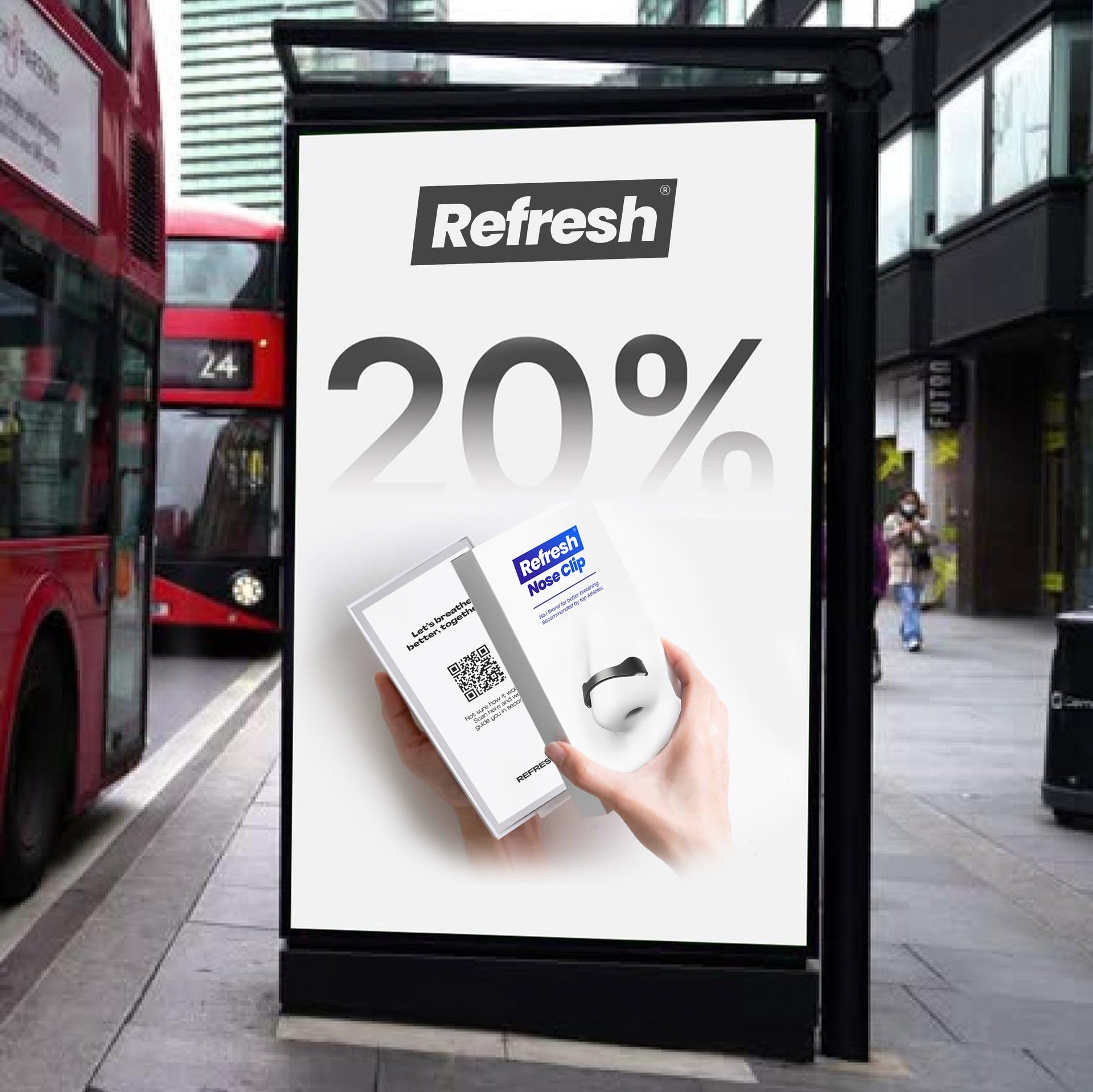
Иновации при неинвазивните назални аксесоари


Nasal breathing seems like a small detail until the night you wake up with a dry mouth or the kilometer where you feel like you need more air. Innovations in non-invasive nasal accessories have changed how athletes and active people approach this discomfort: no complicated procedures, no medications, and no need to add a hard-to-follow routine.
Among these products, magnetic nasal strips stand out with a simple idea: they gently support the opening of the nostrils from the outside. For anyone looking for freer nasal breathing during sleep, training, or a busy day, the difference lies in the design, the fit, and the ability to adapt the support to your own comfort.
Why non-invasive nasal accessories matter
The nose is not just an alternative breathing path. The air inhaled through this route is filtered, warmed, and humidified before it travels further. When nasal passages feel narrow due to sleep position, exertion, dry air, or normal variations in congestion, breathing can feel less fluid.
Non-invasive nasal accessories do not change the structure of the nose and do not treat a medical cause. Their role is mechanical and direct: they provide external support to reduce the sensation that the nostrils are collapsing during inhalation. This is an important difference. A good accessory can support respiratory comfort, but it does not replace the evaluation of a specialist if the nasal blockage is persistent, painful, or sudden.
For the active public, the advantage is practical. You don't need a complicated adjustment period. You apply the strip, attach the magnetic elements, and observe how your breathing feels in a real context: when you are running, lifting weights, traveling, or preparing for bed.
The magnetic strip changes the way of support
Classic nasal strips usually use an elastic material that pulls the skin upwards. The magnetic system brings a modular approach. The adhesive strip is applied to the nasal bridge, and the reusable magnets create the external lifting force. The intended result is the same - more open nostrils for an airflow perceived as freer - but the user experience can be more customizable.
Two components, one simple routine
A magnetic strip has two elements: the disposable adhesive backing and the reusable magnets. The backing is the part that attaches to the skin, and the magnets attach on top of it. After use, you remove the strip and keep the magnets for the next application.
This separation matters for those who use the accessory frequently. You don't replace the entire system with every wear, just the adhesive strip. The reserves of strips and replacement magnets keep the routine simple, especially if you use the product both for workouts and at night.
External support, without internal pressure
Another category of products uses dilators inserted into the nostrils. For some people, these can be useful, but the internal sensation is not suitable for everyone. The magnetic strip works on the outside, without contact inside the nose. For users who prefer a discreet accessory and quick application, this can be a clear advantage.
There is no perfect product for every anatomy or every activity. Some prefer more noticeable tension during intense effort, while others are just looking for a subtle boost in comfort for sleep. What matters is that the accessory stays secure, does not irritate the skin, and does not become a distraction.
Where the difference is felt most often
During sleep, lying on your back or side can accentuate the feeling of limited nasal breathing. A properly applied strip can help maintain a more open feeling in the nostrils. For people who notice occasional snoring associated with nasal congestion or difficult nasal breathing, it is worth testing as part of a nightly routine. However, frequent, loud snoring or snoring associated with breathing pauses requires medical advice, not just an accessory.
During training, the need for air increases rapidly. Runners, cyclists, cross-training practitioners, and team athletes often choose nasal strips because they don't hinder their movement and are applied in seconds. They don't promise to transform physical fitness overnight. They can, however, reduce the sensation of nasal restriction for those who feel their nostrils compressing during deeper inhalations.
Outside of sports, the strips can make sense on a plane, in air-conditioned offices, or during times when the air is very dry. You don't have to have an athletic goal to want to breathe more comfortably. Still, usage makes the most sense when you link it to a specific moment of the day, not when you turn it into an accessory worn for no reason.
How to correctly apply a magnetic nasal strip
The application influences the experience more than many users realize on their first try. The skin must be clean and completely dry. Lotions, oils, sunscreen, or sweat can reduce adhesion, especially in a demanding workout.
Place the strip centrally on the nasal bridge, so that the ends are positioned over the side areas of the nostrils. Press gently to secure, then attach the magnets. The strip should not be applied too low on the tip of the nose, nor too high, where it no longer effectively supports the side walls of the nostrils.
It is worth doing the first use at home, in a moment without rushing. Breathe normally, move your face, talk, and check if the sensation is comfortable. At the gym, test the product in a regular session before wearing it to a race or an important workout. That way, you find out if you need a slightly higher or lower positioning.
After wearing, remove the strip slowly, preferably after washing your face with warm water. If you have sensitive skin, test it first for a short period and stop using it if irritation occurs. The magnets should be kept clean and dry between uses so that their attachment remains constant.
What to look for when choosing a nasal accessory
The design looks good, but performance starts with the fit. A useful system must offer support without uncomfortably pulling the skin. The adhesive must withstand sweating but be removable without aggression. And the magnets must fix precisely, without slipping during movement.
It is worth considering the frequency with which you will use it. If you wear it only occasionally, simplicity might be the priority. If you integrate it into your sleep routine and several weekly workouts, a system with reusable magnets and available refills is more practical. Refresh Goods is built around this idea: a modern, easy-to-repeat solution for people who want to turn nasal breathing into a simple habit.
Be careful with exaggerated promises. No nasal strip replaces athletic training, automatically solves fatigue, or treats respiratory conditions. Its value is more concrete: it can support a feeling of freer nasal breathing, without invasive interventions and without interrupting your schedule.
A small habit, placed at the right moment
The best innovations don't ask you to overhaul your life. They fit into what you are already doing. Apply a magnetic strip before a light run or before bedtime, observe how you feel, and adjust the position for the next use. More comfortable breathing often starts with a small change, made consistently.